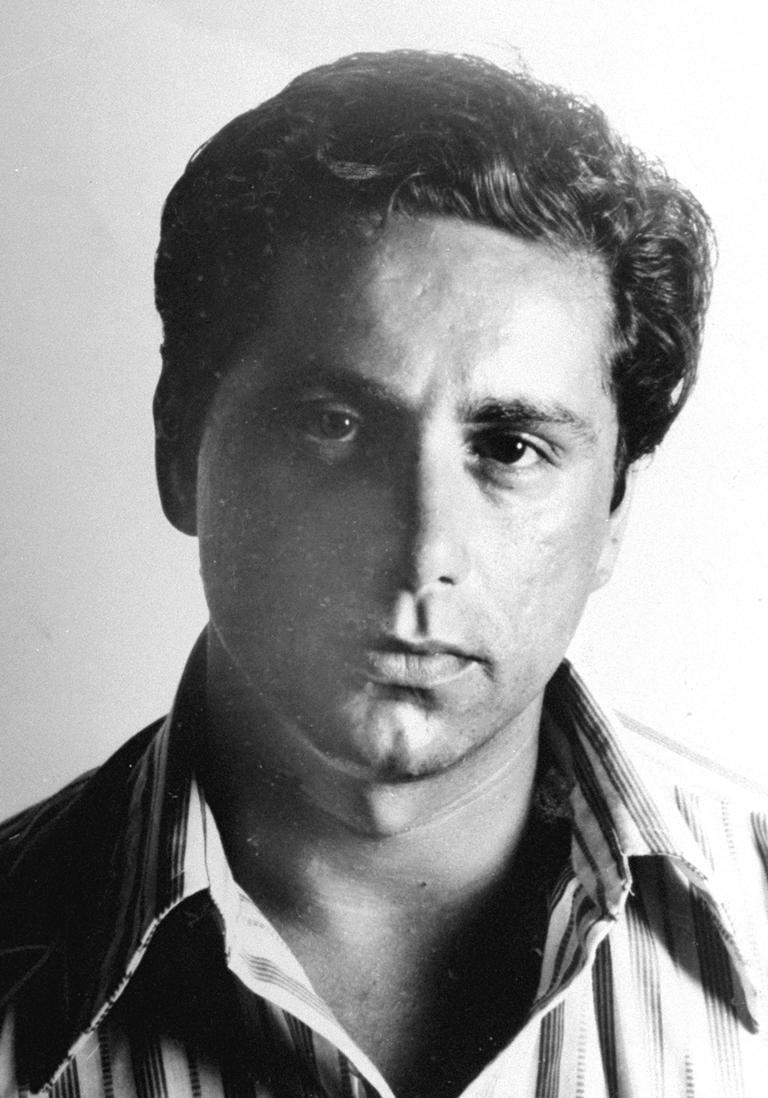
For years, Anthony “Gaspipe” Casso paid two New York City police detectives for information on what law enforcement knew. Louis Eppolito and Stephen Caracappa passed along confidential information about investigations and suspected informants. They also helped the Lucchese crime family carry out murders.
The arrangement gave Casso an advantage against rivals and against people he suspected of talking to the government. It also cost an innocent man his life.
Casso eventually made the same choice he had punished others for making. After nearly three years as a fugitive, the Lucchese underboss agreed to cooperate with federal prosecutors. His information helped investigators, but his conduct behind bars cost him his chance at leniency.
From South Brooklyn to the Lucchese Leadership
Anthony Salvatore Casso was born in Brooklyn in 1942. He dropped out of school, worked as a longshoreman, and spent time with the South Brooklyn Boys street gang. Stories later circulated that his nickname came from a pipe used as a weapon. When a Senate subcommittee asked him about it in 1996, Casso said “Gaspipe” was a family nickname he had picked up as a boy.
Casso came up under Christopher “Christie Tick” Furnari, a Lucchese figure whose Brooklyn crew also included Vittorio “Vic” Amuso. When the Mafia Commission prosecution brought down longtime boss Anthony “Tony Ducks” Corallo, Amuso took over. Casso eventually became his underboss.
The two men shared in the proceeds of a racket that inflated the cost of replacing windows in New York City public housing. Mafia families controlled which contractors got work and collected kickbacks on the contracts. Casso also cultivated ties outside the Italian Mafia. He later told senators that the Luccheses protected Brooklyn organized crime figure Marat Balagula and his associates in a lucrative gasoline-tax fraud scheme.
The Fallout From Castellano’s Murder
The December 1985 murders of Gambino boss Paul Castellano and underboss Thomas Bilotti paved the way for John Gotti to take over the Gambino family. The killings also angered leaders in other New York families. In Five Families, Mafia historian Selwyn Raab describes Casso and Amuso’s role in the retaliation plot, drawing in part on Casso’s later account to investigators.
On April 13, 1986, a car bomb killed Gambino underboss Frank DeCicco outside a Brooklyn social club. Gotti, who was expected to be there, survived because he was absent. That September, Gambino associates shot and wounded Casso. His search for the people behind the attack drew two NYPD detectives deeper into his affairs.
The Mafia Cops
Eppolito and Caracappa helped abduct James Hydell, a Gambino associate Casso suspected of taking part in the shooting. Hydell was delivered to Casso and killed. His body was never recovered. When Casso sought information on another suspect, Nicholas Guido, the detectives supplied information on a different man with the same name. On Christmas Day 1986, a Lucchese hit team killed the wrong Nicholas Guido, an innocent 26-year-old telephone-company employee.
By 1987, Casso was paying the detectives $4,000 a month through Lucchese associate Burton Kaplan for access to confidential information. The detectives also took paid assignments. In 1990, they used their police authority to stop Gambino captain Edward “Eddie” Lino on the Belt Parkway and killed him. Kaplan later testified that the detectives also helped track Gambino soldier Bobby Boriello, who was killed outside his Brooklyn home in 1991. Read more about Bobby Boriello
Further Reading
Philip Carlo’s Gaspipe: Confessions of a Mafia Boss follows Casso’s rise in the Lucchese family, his relationship with Amuso, and his years as a fugitive. Much of the book draws on Casso’s own recollections. Given the credibility issues documented in the dispute over his cooperation agreement, it is best read alongside the court record.

The Lucchese Family Turns on Itself
When the federal Windows Case closed in on the Lucchese leadership in 1990, Amuso and Casso went into hiding. From there, they continued to exert control over the family, and their suspicions increasingly turned inward.
Lucchese captain Peter “Fat Pete” Chiodo pleaded guilty in the Windows Case without the leadership’s permission. In May 1991, he was shot 12 times at a Staten Island gas station. He survived and became a government witness. That September, acting boss Alphonse “Little Al” D’Arco began cooperating after deciding that his own life was in danger. In trying to silence potential witnesses, the Lucchese leadership gave two senior insiders a reason to testify.
Amuso was arrested in Pennsylvania in July 1991. Casso stayed free until January 19, 1993, when FBI agents found him at a house in Mount Olive, New Jersey. After 32 months on the run, he surrendered as he stepped out of the shower, wearing a towel.
The Cooperation Deal Falls Apart
In March 1994, Casso pleaded guilty to 70 offenses, including murder, racketeering, and extortion. In entering his plea, he admitted conspiring to kill 15 people. His agreement offered a chance at a reduced sentence if he gave prosecutors truthful assistance and abided by its terms.
Casso told investigators about the Lucchese family and his dealings with the two detectives. Prosecutors acknowledged that he had provided substantial help, but in 1997 they informed him that he had breached the agreement. They cited criminal conduct in custody, including an assault on another inmate and a scheme to smuggle contraband, as well as statements they considered false. Casso challenged the decision. In 1998, federal Judge Frederic Block ruled that the government had grounds to withhold a recommendation for leniency. Casso received a life sentence.
The case against the detectives took longer. Burton Kaplan, who had dealt with both men on Casso’s behalf, eventually testified at their trial. A federal jury convicted Eppolito and Caracappa in 2006. Both were sentenced to life without parole in 2009.
Casso’s Death and Legacy
Casso died in federal custody on December 15, 2020, at age 78. He had tested positive for COVID-19 while incarcerated in Tucson, Arizona, and was hospitalized after developing breathing problems.
The Mafia Cops case showed what happened when a crime family gained access to information the police were supposed to protect. Nicholas Guido paid for that access with his life. Inside the Lucchese family, the consequences reached Casso himself. Chiodo and D’Arco turned to prosecutors because they believed their own organization might kill them. Once federal agents caught Casso, the underboss who had spent years pursuing suspected informants agreed to become one himself.